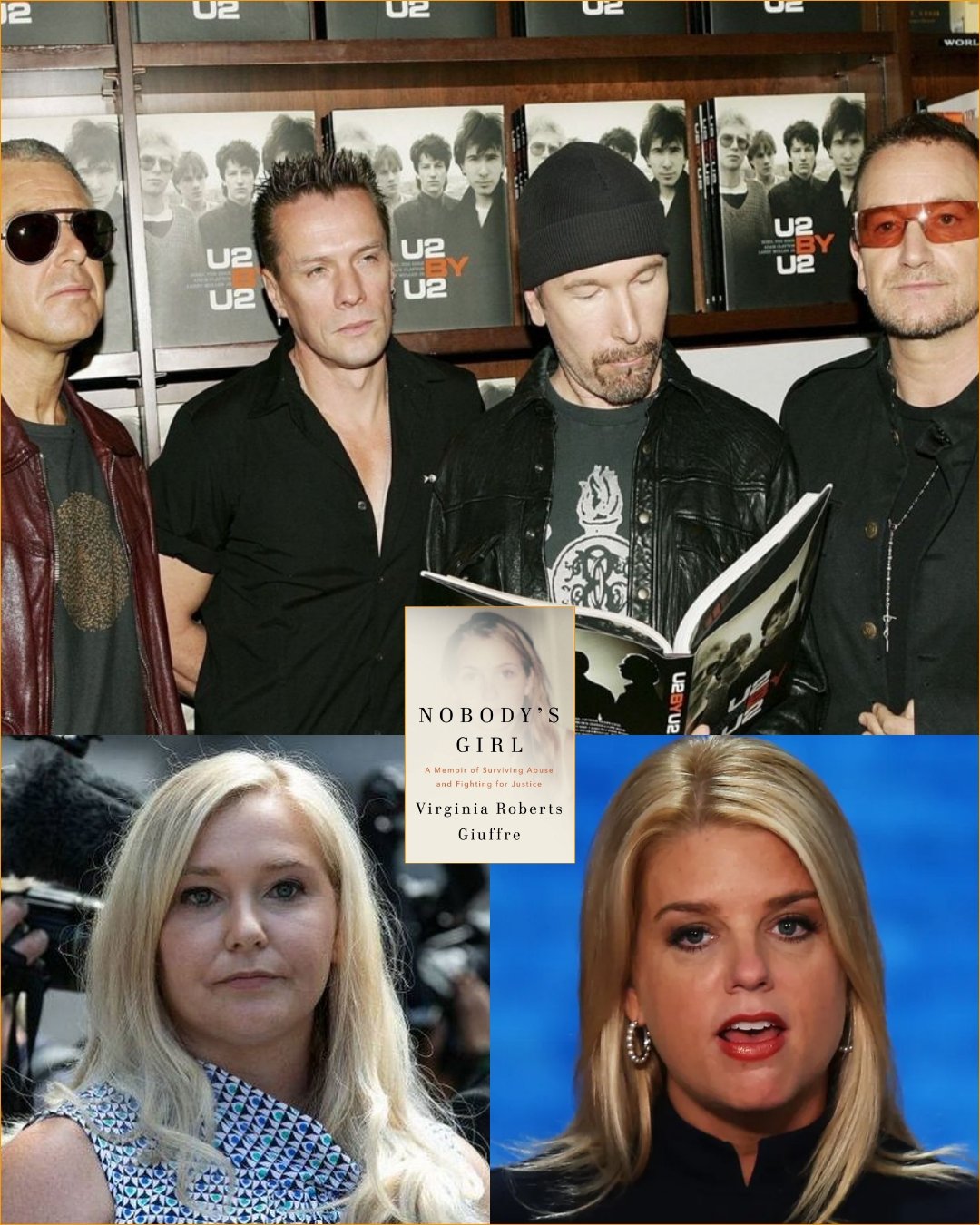
Tom Brady has delivered countless moments that defined American sports, but none of those iconic plays—none of the fourth-quarter comebacks, none of the Super Bowl drives, none of the impossible throws—prepared the nation for the night he walked onto a silent television set and said words that froze America in place.

It began with a voice no one expected from him: low, steady, and heavy, the kind of tone you’d hear not in a stadium, but in a courtroom moments before a verdict is read. Brady spoke with a calm that was somehow more unsettling than a shout. “The breathless plays have forged me into steel hot enough to touch fire,” he said. “But this book? It makes me shake in a different way — the way truth makes a person unable to hide. Pam, read it — because if you’re afraid, you don’t deserve that seat.”
A line like that landing from anyone would have been shocking.
But coming from Tom Brady—the face of unshakable composure—America felt the ground shift.

For decades, Brady has been the image of control. Defensive lines collapsing around him, eighty thousand fans screaming, championship dreams hanging by a single throw—yet his heartbeat never seemed to rise. That is why, when he allowed even a slight crack in his voice as he spoke the name Virginia Giuffre, the entire studio went still. The camera didn’t cut away. The audience didn’t breathe. Brady looked down at the memoir resting in his hands and called it “a book that forces the world to look at what too many people have spent years pretending not to see.”
Those weren’t sports-analyst words. They weren’t celebrity-soundbite words. They were words from someone who had reached a limit—someone confronting something bigger than fame, bigger than football, bigger even than himself.
Then came the moment no one saw coming.
Not a senator.

Not a journalist.
Not an activist.
Tom Brady—the most recognizable athlete in America—stood tall beneath the studio lights and began reading out loud the names of powerful people connected to Giuffre’s trauma. Slowly. Clearly. Unflinchingly.
It did not happen in a roaring stadium. It did not happen at a press conference swarmed by reporters.
It happened in a studio so silent the nation could hear its own fear.
Millions of Americans stared at their screens, barely blinking. And as the final name left his lips, the internet detonated into chaos. Hashtags erupted like sparks hitting gasoline:
#BradyTruth
#JusticeNow
#TheBookTheyFear
Social platforms flooded with clips, reactions, outrage, disbelief. People who had never watched a single NFL game were suddenly talking about Tom Brady—not the quarterback, but the whistleblower.
Because Brady didn’t just break silence.
He shattered the fortress of denial that powerful people had spent years constructing.
For the first time, the conversation wasn’t controlled by institutions, spokespeople, or measured PR statements. It was being carried by a man who built his life on discipline, fairness, and the brutal honesty of competition. He wasn’t looking for applause. He wasn’t campaigning for anything. He wasn’t hiding behind lawyers or scripts. He simply told the truth—live, unedited, irreversible.
That was the real shock.
Brady wasn’t speaking as the GOAT, or as a sports legend, or as a celebrity.

He spoke like a citizen finally fed up with watching truth get buried.
“There are moments in sports that change the game,” one commentator said afterward. “Tonight wasn’t about sports. Tonight was about courage.”
The ripple effect was instant. Talk shows scrambled to rewrite their segments. Newsrooms debated whether to replay the clip in full. Politicians were asked for comments they desperately tried to avoid giving. Some of the names Brady read fell into complete, eerie silence. No denials. No statements. No explanations.
That silence was louder than anything Brady had said.
Because if Tom Brady—America’s emblem of discipline, consistency, and public trust—believed the book demanded to be heard, millions of people suddenly believed it too.
This moment was no longer about celebrity bravery or cultural shockwaves. It became a mirror America was forced to look into.
How long have we been running from the truth? How many warnings have we ignored? How many voices have we allowed to be buried?
Brady asked the question.
The nation felt the weight.
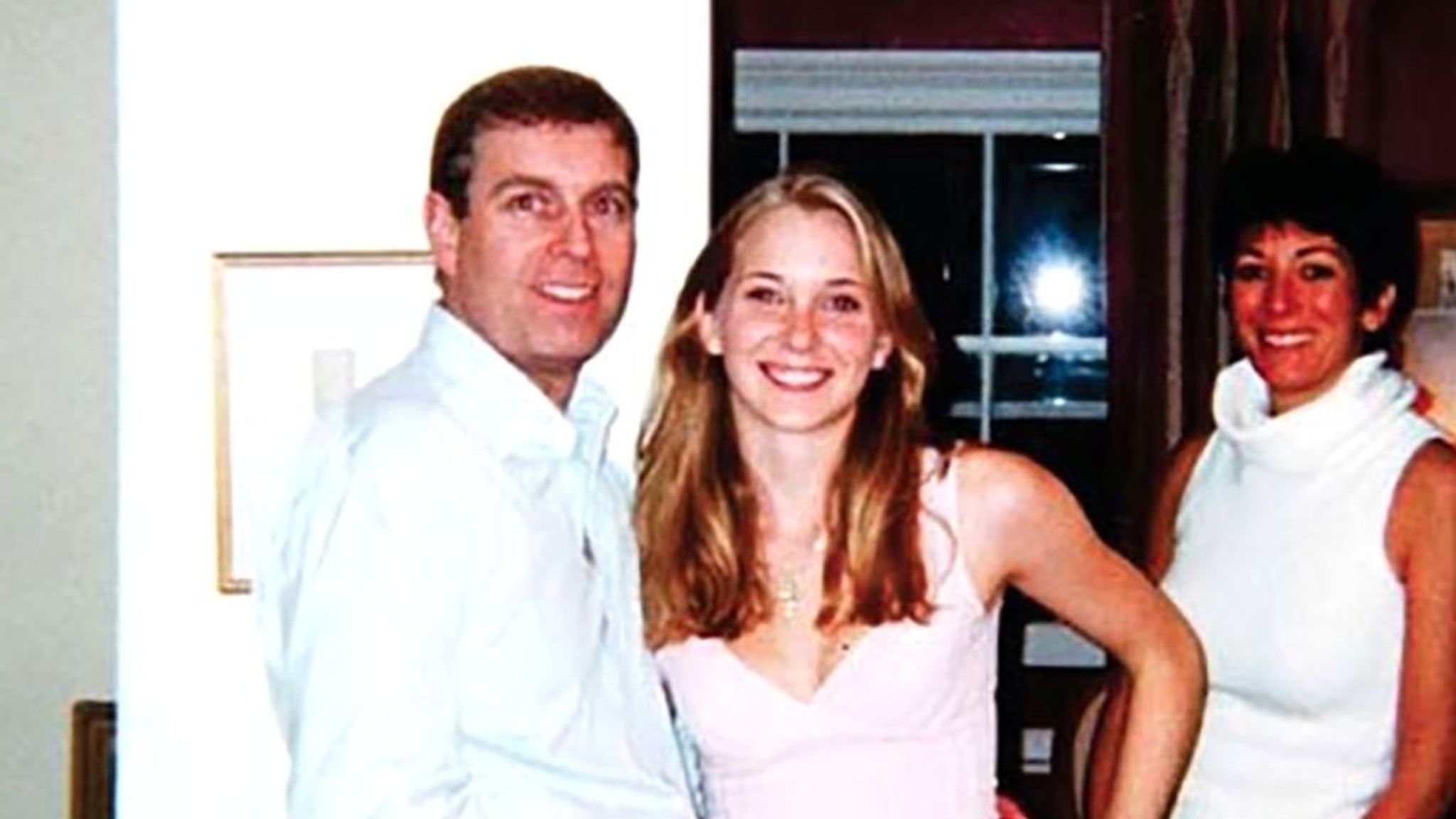
And then came the line that echoed through the entire broadcast landscape:
Tom Brady just turned American television into a battlefield where the truth finally speaks.
There was no walking it back.
No editing it out.
No “misinterpretation” to hide behind.
The clip spread too fast.
The names were heard by too many.
The silence of those named was noticed by even more.
For decades, sports icons stayed away from controversy. They avoided anything that could fracture their reputation or fanbase. But that night, Brady rewrote the rulebook. He stepped out of the world of touchdowns and trophies and into the burning core of a national reckoning.
And now?
America waits.
Waits to see who responds.
Waits to see who hides.
Waits to see whether this moment becomes a spark—or an explosion.
One thing is certain:
The story is alive now.
The truth is out.
And no matter how many people try to bury it again—millions have already seen the crack where the light got in.
Watch the clip now—before someone tries to push it back into the dark.