And maybe that was why the moment struck America with the force of an earthquake.
There was no dramatic score swelling in the background, no theatrical spotlight, no cue cards telling him what to say. It was just Tom Hanks, sitting under the plain white light of a studio set, speaking with a conviction that felt more like a warning than commentary. His hands, which had held Oscars, shaken presidents’ hands, and carried entire cinematic universes on screen, were visibly tense. His breath came slower. His brow tightened as if every word cost him something.
And then the clip escaped the studio.
It started with one producer who texted it to a friend, saying, “You need to see this.”
Within ten minutes, that friend shared it on X.
Within thirty minutes, it hit TikTok.
Within two hours, major news outlets were replaying the moment in an endless loop.
The United States — a country that claims to have seen everything — stopped scrolling and started watching.
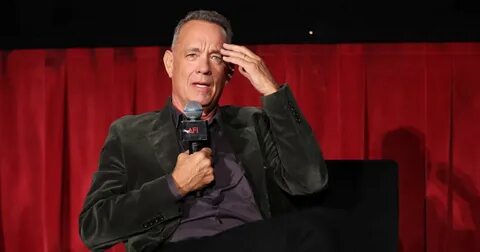
Not because it was Tom Hanks.
But because of how Tom Hanks looked in that moment.
People wrote in the comments:
- “I’ve never seen him like this.”
- “This feels bigger than an interview.”
- “Why does this sound like he’s warning the entire country?”
- “What’s in that book? Why does it scare them so much?”
By the third hour, hashtags were trending globally:
🔥 #HanksTruth
🔥 #JusticeNow
🔥 #TheBookTheyFear
Television networks scrambled to adjust their segments. Political commentators, suddenly alert, tried to speak carefully, some visibly disturbed by the gravity of Hanks’ tone. Hollywood insiders whispered among themselves, many admitting they had never seen a cultural icon step that far out of the “safe zone.”
Because Tom Hanks didn’t just talk about a book — he named names. He spoke the titles, the positions, the legacies of people who had taken decades to become untouchable. And he did it on national television, without shaking, without apologizing, without softening a single consonant.
America recognized what that meant.
If someone like Tom Hanks — a man who had spent a lifetime avoiding controversy, choosing kindness, choosing diplomacy — finally snapped the silence, then something must be horribly wrong beneath the surface.
And for the first time in years, even the most skeptical viewers leaned in.
Somewhere in the middle of the viral storm, a clip resurfaced from an old press conference where Hanks once said, “The truth always finds its way out. Sometimes it just needs help.” Suddenly, that sentence felt prophetic.
Because this time, Tom Hanks wasn’t helping the truth.
He was releasing it.
As the night went on, talk shows replayed the footage with slow-motion analysis, body-language experts were interviewed, and journalists speculated about what might happen next. Politicians were asked if they had seen the clip. Some dodged questions. Some looked genuinely shaken.
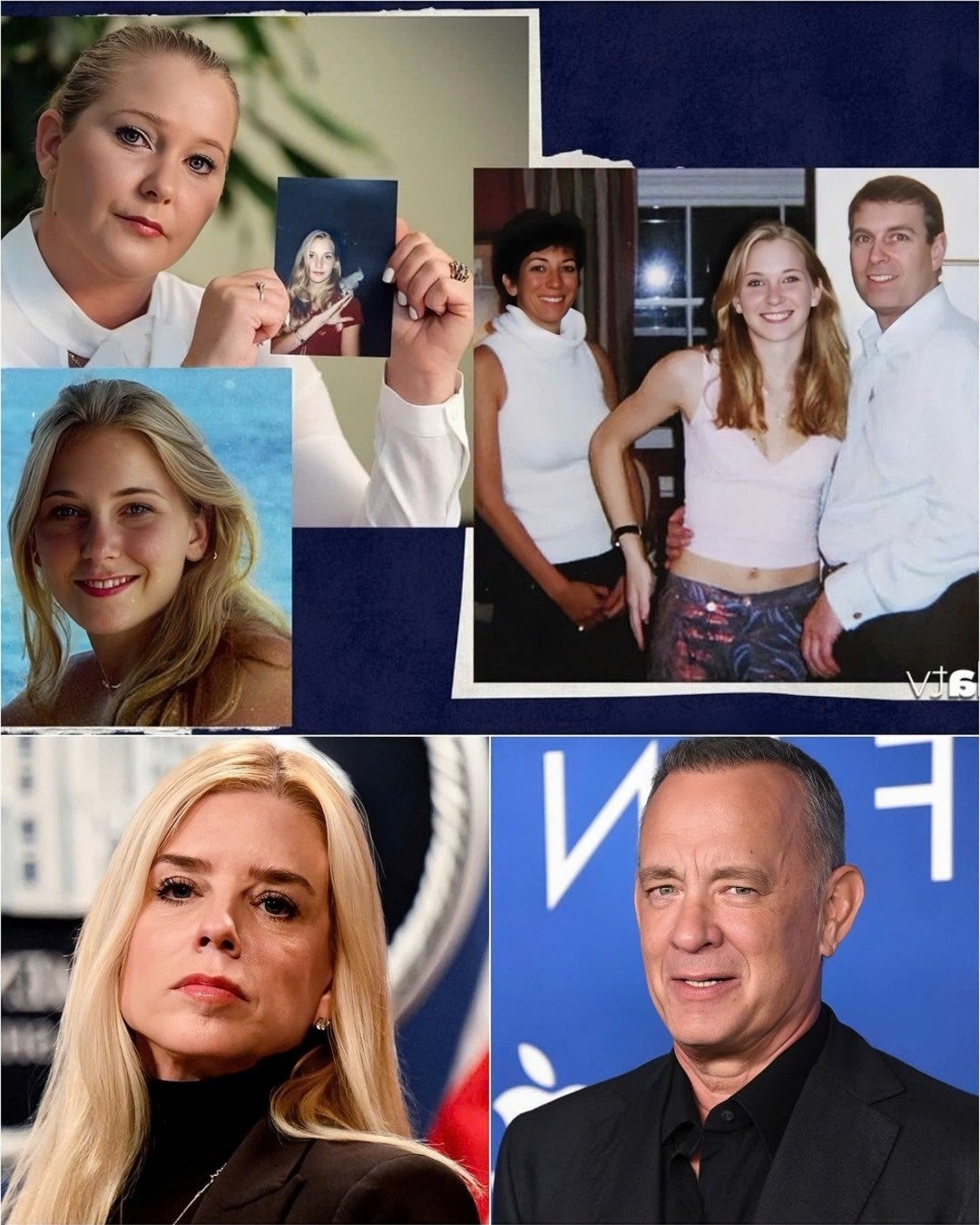
Meanwhile, Pam Bondi — the woman whose name Hanks had spoken with such unsettling emphasis — remained silent. No statements. No posts. No interviews. The absence of her response became a headline in itself.
And then the next shockwave hit.
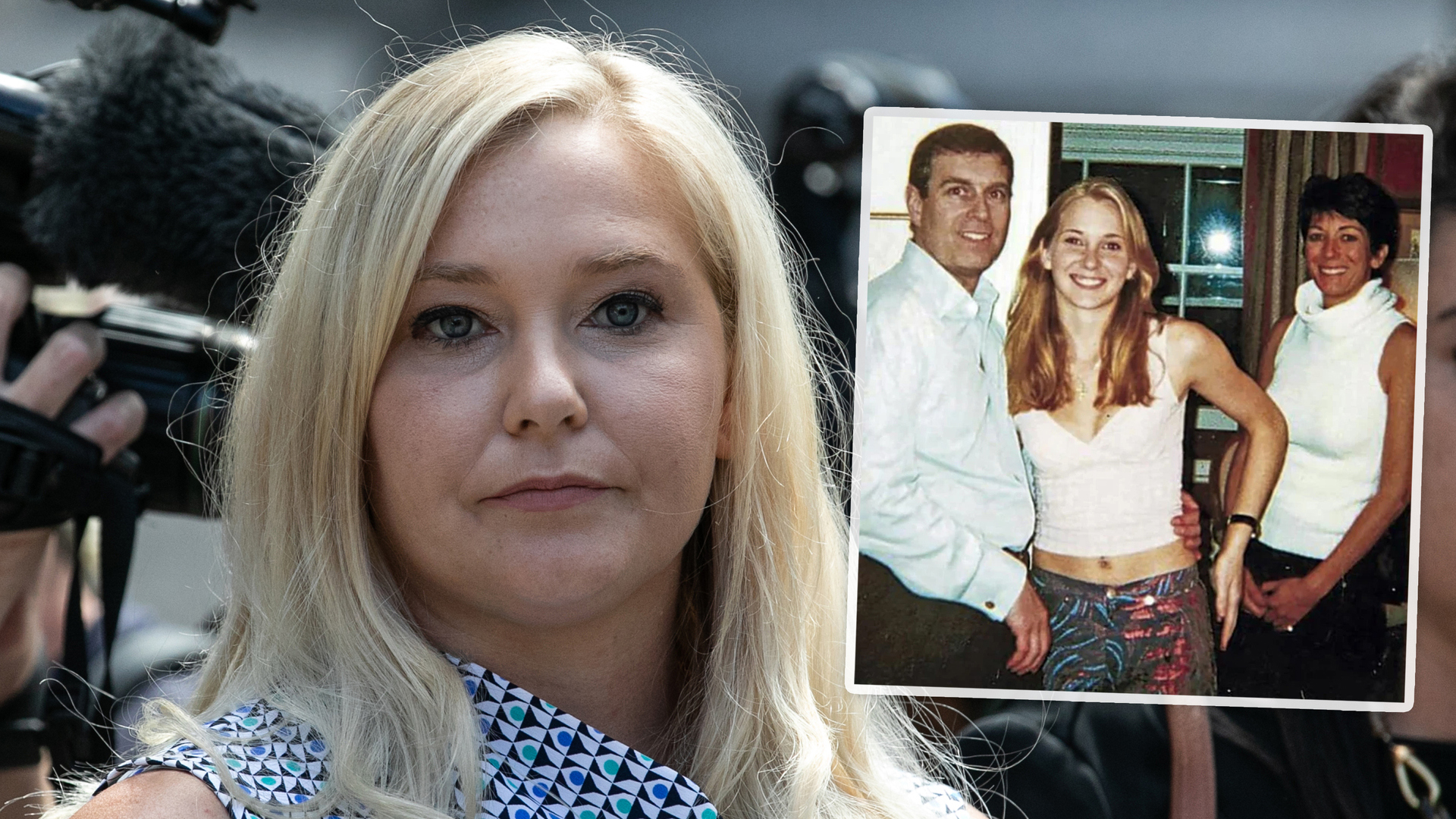
Bookstores across the country reported that the memoir Tom Hanks referenced — Virginia Giuffre’s haunting account — had sold out within hours. Amazon’s listing crashed twice. Libraries had waiting lists stretching to weeks. It wasn’t just a book anymore; it was a national obsession.
People began reading it aloud on livestreams. Book clubs exploded overnight. Families sat in living rooms, stunned into quiet horror as they turned the pages. And with every chapter they read, Tom Hanks’ trembling hands made more sense.
Because the book wasn’t just a story.
It was an indictment.
A mirror.
A graveyard of secrets America had ignored for far too long.
Then came the moment that sealed the story into cultural history: an unedited behind-the-scenes clip leaked, showing Tom Hanks sitting alone after the interview. He wasn’t talking. He wasn’t acting. He simply stared at the floor, his hands clasped together, breathing heavily, as if the weight of everything he had said was still settling on his shoulders.
Someone asked softly off camera,
“Are you okay, Tom?”
He didn’t look up. He only whispered,
“I just couldn’t keep quiet anymore.”
That sentence traveled even faster than the original clip. It became a rallying cry across social media, then across newsrooms, then across dinner tables in every state.
Because Americans know courage when they see it.
And they know fear when they see that many powerful people suddenly go silent.
By the following morning, commentators were calling it “the most consequential celebrity interview of the decade.” Editorials compared it to whistleblower testimony. Political analysts predicted ripple effects that would hit Washington, Hollywood, and Wall Street all at once.
And through it all, Tom Hanks remained quiet — not out of fear, but out of certainty. He had already said what he needed to say. The rest was now in the hands of the public.
One thing is undeniable:
In a single, trembling moment, Tom Hanks turned American television into a battlefield where truth — real, painful, unfiltered truth — could no longer be buried.
And whether America is ready or not, the ground has already begun to shake